
Cannabis, Hemp, THC, and CBD
Successfully navigate the complex regulations around Hemp, THC, CBD, and related products — so you can take your business to the top.

Navigate the Complex FDA Cannabis Regulations and Compliances with Us
Navigating the complex regulatory landscape surrounding Hemp, THC, and CBD products can be challenging. Recent federal legislation passed in November 2025 as part of the Continuing Resolution (H.R. 5371) introduced significant changes to the legal definition and regulatory treatment of hemp-derived products, making compliance analysis more complex than under the 2018 Farm Bill framework.
Our firm specializes in providing expert legal guidance on FDA cannabis, CBD, THC, and hemp regulations.
FDA Cannabis Regulations
The FDA’s approach to cannabis is continuously evolving as the industry grows and state laws change. Cannabis, which encompasses both marijuana and hemp, is subject to a variety of regulatory frameworks depending on its THC content and intended use.
We assist businesses in understanding how FDA cannabis regulations impact their products, whether they involve food, drugs, or dietary supplements. Our expertise includes helping clients navigate the legal landscape surrounding the marketing, labeling, and distribution of cannabis products.
FDA CBD Regulations
CBD, or cannabidiol, has rapidly gained popularity for its potential therapeutic benefits. However, the FDA’s stance on CBD remains complex, particularly concerning its use in food and dietary supplements.
Our firm provides comprehensive legal support for businesses dealing with FDA CBD regulations, from product formulation and labeling to marketing compliance. We ensure that your products meet all necessary legal requirements while helping you stay ahead in this fast-evolving market.
FDA THC Regulations
Tetrahydrocannabinol (THC) is the psychoactive component of cannabis that is tightly regulated under federal law. Products containing THC must adhere to specific FDA guidelines, particularly in relation to their psychoactive effects and legal status.
Our legal experts can help you understand FDA regulations regarding THC in your products. This applies to full-spectrum, broad-spectrum, or isolate products. It is important to comply with federal laws and also capitalize on market trends. Stay compliant with federal laws and capitalize on market trends.
FDA Hemp Regulations
Hemp, legally defined as cannabis containing less than 0.3% THC, occupies a unique space in the regulatory landscape. The FDA regulates hemp and its derivatives under various federal laws, particularly when these products are used in food, cosmetics, or dietary supplements.
Our firm helps businesses navigate FDA hemp regulations, providing legal strategies that ensure compliance while allowing you to leverage the potential of your hemp products. We also advise on GRAS (Generally Recognized As Safe) status for hemp-derived ingredients, a critical consideration for product safety and marketing, as well as for maintaining long-term hemp FDA regulatory compliance.
How We Help
Services
Are you in trouble with the FDA?
Don’t panic — you’ve got backup. Download 5 Tips to Help You Navigate FDA Enforcement and learn how to resolve the situation now.
Expert knowledge of FDA regulations that helps you strategically grow your business

Legal Services for Compliance with FDA Cannabis, Hemp, THC, and CBD Regulations
Our firm provides comprehensive legal services to address all aspects of FDA compliance for cannabis-related products, including:
- FDA Cannabis Regulations
- FDA CBD Regulations
- FDA THC Regulations
- FDA Hemp Compliance
- Cannabis-Derived Food and Dietary Supplement Compliance
- Labeling and Marketing Compliance for Cannabis Products
- DEA Classification and Legal Status of Marijuana and Hemp Products
Legal Representation for FDA Compliance
Our expert legal team is here to navigate the complexities of regulatory compliance, ensuring your business meets all legal requirements. We know the landscape can be challenging, and we're dedicated to addressing any legal hurdles you may face. With years of experience across industries, our team provides tailored solutions to help you avoid potential issues and maintain smooth operations.
Guidance on Regulatory Submissions
We offer comprehensive support in preparing and submitting regulatory documents to the FDA, ensuring accuracy and compliance at every step. Our experienced team reviews each document, provides insights into best practices, and helps navigate regulatory complexities. We work closely with clients to simplify the submission process and increase approval rates, freeing them to focus on business goals.
Defense in Compliance Enforcement Actions
Should you face an enforcement action, we offer robust defense strategies to safeguard your interests and resolve compliance issues effectively.

Regulatory Impact of the 2025 Continuing Resolution on Hemp Products
The 2025 Continuing Resolution (H.R. 5371), enacted November 12, 2025, introduces the most significant federal changes to hemp regulation since the 2018 Farm Bill. Section 781 fundamentally alters how hemp-derived cannabinoid products are defined and regulated under federal law, with implementation scheduled for November 12, 2026.
Rather than relying solely on delta-9 THC concentration, the new framework adopts a “total THC” standard and imposes strict per-container limits for finished hemp-derived products. These changes materially affect CBD manufacturers, distributors, retailers, and investors operating in the ingestible, inhalable, and topical product markets.
The revisions also narrow the definition of hemp to exclude synthetic cannabinoids and substances not naturally produced by Cannabis sativa L., potentially reclassifying certain products as Schedule I controlled substances under the Controlled Substances Act.
For companies operating in the hemp and cannabinoid space, these developments create immediate compliance planning considerations well in advance of the 2026 effective date.
Shift from Delta-9 THC to “Total THC” Regulation
The new law shifts away from measuring only delta-9 THC and instead applies a broader “total THC” calculation that includes additional cannabinoids with similar effects.
Intermediate products must comply with a 0.3% total THC limit on a dry-weight basis after decarboxylation. Finished products intended for ingestion, inhalation, or topical use are subject to a strict per-container cap. These changes affect:
- Formulation strategy
- Package sizing
- COA testing protocols
- Supply chain verification
Products that exceed the new thresholds may no longer qualify as lawful hemp under federal law.
Synthetic Cannabinoids and Reclassification Risk
The revised statute excludes cannabinoids that are not naturally produced by the cannabis plant. Products relying on synthetic or chemically converted cannabinoids may fall outside the federal hemp definition.
This distinction creates a heightened CBD-related regulatory risk for manufacturers using modified or synthesized compounds that were previously marketed as hemp-derived. Businesses should carefully evaluate sourcing, manufacturing methods, and cannabinoid classification before the effective date.
Continued FDA Authority Over CBD and Ingestible Hemp Products
The recent amendments do not create a new FDA pathway for CBD in foods or dietary supplements. FDA’s longstanding position under the FD&C Act remains unchanged.
CBD-containing foods, beverages, and supplements continue to face regulatory scrutiny, particularly where labeling or marketing suggests therapeutic or drug-like effects. Companies must evaluate compliance independently of Controlled Substances Act status.
Even if a product qualifies as “hemp” under federal drug law, it may still violate FDA requirements.
Compliance Planning Before the 2026 Effective Date
The delayed implementation date provides a limited window for proactive compliance planning. Businesses should consider:
- Reassessing total THC calculations
- Reviewing formulation and packaging structure
- Auditing, labeling, and website claims
- Evaluating exposure to reclassification under federal law
Early review can reduce enforcement exposure and prevent costly product withdrawals or supply chain disruptions once the revised framework takes effect.

FDA Oversight of Hemp, CBD, and THC Products in 2026
FDA oversight of hemp-derived products continues to focus on intended use, product classification, and marketing claims. Federal drug law status does not determine whether a product complies with the Federal Food, Drug, and Cosmetic Act (FD&C Act).
In practice, FDA enforcement is driven more by whether a product is positioned as a food, dietary supplement, cosmetic, or drug, reflecting the FDA's ongoing hemp enforcement priorities.
Claims And Formulations That Trigger Heightened FDA Scrutiny
Therapeutic and disease-related claims remain a primary trigger for enforcement. Products marketed for pain relief, anxiety, sleep disorders, inflammation, or other medical conditions are likely to be treated as unapproved drugs if they lack FDA approval.FDA also evaluates:
- Express and implied claims on websites and social media
- Structure/function positioning that crosses into disease claims
- Ingestible formats that may violate the drug exclusion rule
Distinctions Between Lawful Hemp Products And Unapproved Drugs
A product may qualify as hemp under federal agricultural law yet still violate the FD&C Act.
Under 21 U.S.C. § 321(g)(1), articles intended for use in diagnosing, curing, mitigating, treating, or preventing disease are regulated as drugs. Absent FDA approval under 21 U.S.C. § 355, such products are considered unapproved new drugs.
This distinction is central to compliance. THC concentration and hemp sourcing do not shield products from drug classification if marketing establishes therapeutic intent.
Warning Letters, Seizures, And Post-Shutdown Enforcement Actions
The FDA continues to issue warning letters to companies marketing CBD and THC products with unlawful claims or unsafe formulations. Enforcement tools may include:
- Warning letters
- Product seizures
- Import alerts
- Injunction actions
Companies should assume that online marketing, labeling, and distributor materials are routinely reviewed to avoid any hemp warning letters issued by the FDA.
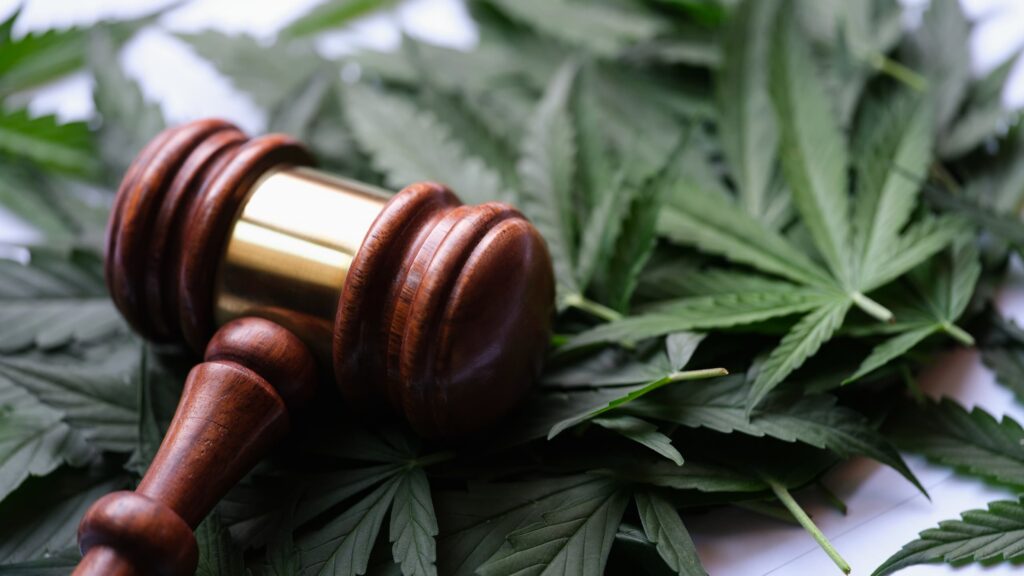
Legal Guidance for Hemp Companies Navigating Regulatory Change
Regulatory volatility requires ongoing planning rather than reactive responses. Businesses that embed compliance into product development, labeling, and marketing are better positioned to adapt to regulatory changes.
Proactive legal review can reduce enforcement exposure and protect long-term market access.
Proactive Compliance Strategies
Effective compliance strategies typically include:
- Substantiated structure/function claims
- Clear separation from disease claims
- Label review for misbranding risk
- Ingredient assessment under adulteration provisions
- Review of the drug exclusion rule for ingestible CBD products
Aligning operations with ongoing federal hemp regulation updates or developments reduces exposure when enforcement priorities change.
Responding To FDA Inquiries And Enforcement Actions
FDA inquiries and warning letters require careful, timely responses, often with guidance from a hemp product compliance attorney who understands evolving enforcement priorities. Early engagement with a legal advisor focused on hemp product compliance can help address agency concerns while preserving future options.
Companies facing import-related scrutiny or cross-border ingredient sourcing issues may also need coordinated strategies aligned with FDA import requirements.
Ongoing Regulatory Monitoring And Compliance Planning
Long-term compliance requires active monitoring of FDA enforcement activity, guidance publications, and legislative developments affecting hemp-derived products.
Businesses that routinely audit claims, formulations, and distribution practices are better prepared to adjust operations as regulatory expectations evolve.
Ongoing review reduces the likelihood of enforcement action and supports defensible product positioning in a shifting regulatory environment.
Why Choose Us for Your Legal Needs?
- Expertise in FDA Regulations: With extensive knowledge of FDA regulations, we deliver specialized legal advice to help you maneuver through the intricate regulatory landscape.
- Comprehensive Legal Services: Our broad array of services covers everything from regulatory guidance to defense in compliance actions, ensuring that all your legal needs are met.
- Commitment to Client Success: Our client-focused approach prioritizes achieving favorable outcomes while ensuring your business remains compliant with all regulatory requirements.
“