
OTC Drug & Homeopathic Regulatory Lawyers
Comprehensive Legal Guidance for CDER Compliance, OTC Monographs, and Drug Listings
Gain market share with your OTC drug products while meeting FDA regulations with help. Bring your OTC drug or homeopathic product strategy into focus with FDA Atty. We help manufacturers and wellness brands understand FDA requirements, assess regulatory risks, and plan their next steps.
Navigating OTC monographs, drug approval pathways, and evolving CARES Act requirements takes informed legal guidance. Our attorneys review formulations and claims to help identify compliance gaps before they disrupt business.
Navigating CDER: From OTC Monographs to cGMP Compliance
Successfully bringing your drug product to market requires alignment with FDA’s Center for Drug Evaluation and Research (CDER). At FDA Atty, we help businesses navigate establishment registration, drug listing, labeling, and applicable manufacturing compliance requirements.

- OTC monograph review: Assess active ingredients, indications, and labeling against applicable administrative orders under CARES Act reform.
- Registration and NDC listing: Understand establishment registration and National Drug Code listing obligations; neither establishes FDA approval.
- CDER Direct submissions: Identify registration and listing submission issues and determine appropriate corrective steps.
- Homeopathic regulatory guidance: Evaluate labeling, manufacturing obligations, and FDA enforcement risks separately from the OTC monograph framework.
- cGMP and Warning Letters: Address current Good Manufacturing Practice concerns and develop responses to FDA Warning Letters.
We help you identify regulatory gaps early, address potential unapproved new drug risks, and move forward with a clear compliance strategy.
FDA Regulations for Homeopathic and OTC Drugs We Can Help With


How We Help
Services
Are you in trouble with the FDA?
Don’t panic — you’ve got backup. Download 5 Tips to Help You Navigate FDA Enforcement and learn how to resolve the situation now.
Expert knowledge of FDA regulations that helps you strategically grow your business

Feel confident knowing you’ve got an FDA expert on your side, looking out for your business. Click the button below to contact FDA Atty and start the process.
Navigating FDA Risk-Based Enforcement for Homeopathic Drugs
Understanding Enforcement Priorities
Following the withdrawal of CPG 400.400, FDA’s final homeopathic guidance outlines enforcement priorities based on potential health risks. Products targeting serious diseases or vulnerable populations receive heightened scrutiny, alongside products presenting safety or significant quality concerns.
Reviewing Formulations and HPUS Standards
We review formulations and verify ingredient and dilution listings in the Homeopathic Pharmacopoeia of the United States (HPUS). This assessment helps identify potential concerns, while recognizing that HPUS inclusion does not establish FDA approval or exemption from enforcement.
Managing Claims and Regulatory Risk
We assess packaging, websites, and promotional claims to identify language that increases regulatory exposure. Replacing disease claims with structure/function wording does not automatically resolve drug approval obligations; our guidance helps you evaluate necessary changes and make informed marketing decisions.
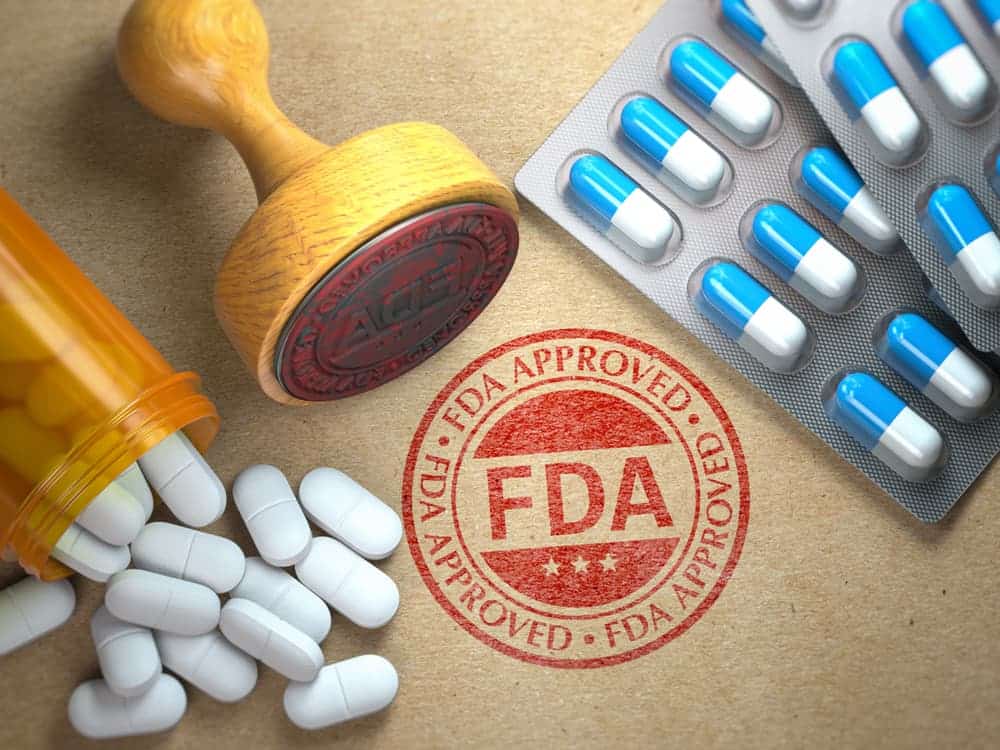
Drug Establishment Registration and NDC Product Listings
Covered drug establishments must renew FDA registration annually and maintain accurate NDC product listings. SPL submissions through CDER Direct require consistent facility and product information to reduce filing errors and import complications.
Foreign establishments must designate a U.S. Agent for FDA communications. Timely updates and required listing certifications help prevent administrative disruptions; registration and NDC listing do not establish FDA approval.

21 CFR Part 211 cGMP Compliance and Labeling Defense
Finished pharmaceutical manufacturers must meet applicable cGMP requirements for process validation, batch release testing, stability studies, laboratory controls, and labeling. Deficiencies can lead to inspection observations, Warning Letters, or import restrictions.
Effective regulatory responses address root causes, document corrective actions, and establish completion timelines. FDA Atty provides legal guidance for companies facing Warning Letters, import refusals, and manufacturing compliance concerns.
“