
FDA Cosmetic Regulations & MoCRA Legal Compliance Services
Know the subtle ways cosmetics differ from OTC drugs within FDA regulation
Understanding MoCRA Requirements for Beauty & Skincare Brands
MoCRA represents the most significant expansion of FDA cosmetic authority since 1938. Unlike the former voluntary registration program, the law creates mandatory responsibilities for many cosmetic companies. FDA now has greater access to records and may order recalls under qualifying circumstances. MoCRA also limits certain state requirements while preserving other state enforcement powers. Cosmetic brands must therefore treat compliance as an ongoing business responsibility, not a one-time filing.
Navigating MoCRA: From Registration to Safety Substantiation
Over the past years, we have worked with numerous cosmetic brands—from emerging indie lines to established private-label manufacturers—navigating the sweeping regulatory realities of MoCRA.
- While many brands initially focused merely on getting facilities registered and products listed in the FDA's Cosmetics Direct portal, true regulatory exposure lies in the operational requirements that follow.
- We work with several cosmetic brands to build out their internal compliance infrastructure. This involves drafting rigorous Quality Agreements with their contract manufacturers, establishing protocols for Serious Adverse Event (SAE) reporting, and conducting deep-dive audits of their ingredient profiles.
- For instance, in a previous review for a fragrance client, we caught critical gaps in their supplier ingredient disclosures that would have made their product listing inaccurate and created immense regulatory risk.
What Qualifies as a Cosmetic Product Under FDA Jurisdiction
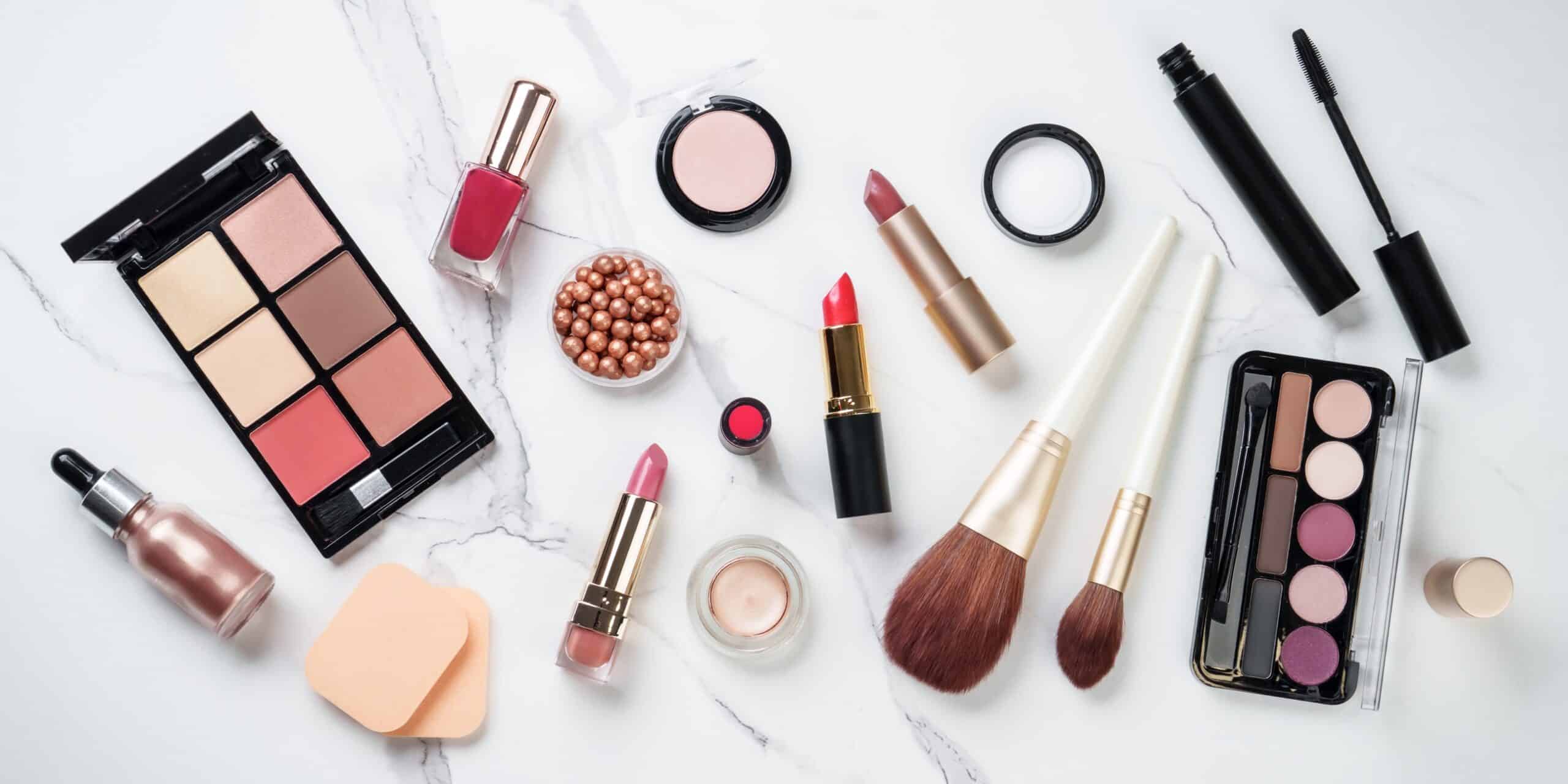
The FDA defines a cosmetic product as any substance intended for application to the human body. It is designed to cleanse, beautify, or alter appearance without affecting body structure or functions.
FDA Guidelines for Cosmetic Product Ingredients and Safety
The FDA establishes guidelines to ensure the safety and accurate labeling of cosmetics. These guidelines include restrictions on certain harmful ingredients and mandatory allergen declarations. We offer guidance through these regulations, helping companies ensure product safety and maintain consumer trust.
Differences Between Cosmetics and Drug Classification
Understanding the difference between cosmetics and drugs for compliance is vital. Cosmetics enhance appearance, while drugs alter the body’s structure or function. Misclassification can lead to serious regulatory issues and legal challenges.
Facility Registration & Cosmetic Product Listings via Cosmetics Direct
Cosmetic manufacturers, processors, and responsible persons must determine which MoCRA filing duties apply to them. Cosmetics Direct provides an electronic system for submitting facility registrations and product listings. Accurate records are particularly important when brands rely on contract manufacturers or international facilities. We help companies manage:
- Facility registration: Register applicable manufacturing and processing facilities and renew registrations every two years.
- Product listings: List marketed cosmetic products and submit required updates annually.
- Operational changes: Track formulation updates, discontinued products, and relationships with contract manufacturing facilities.
International companies may also need legal guidance regarding U.S. registration obligations and potential FDA import issues.
Mandatory Safety Substantiation & Adverse Event (SAE) Reporting
New Requirements from the Modernization of Cosmetics Regulation Act of 2022 (MoCRA)
- Key Provisions of MoCRA Impacting Cosmetic Manufacturers
- The Modernization of Cosmetics Regulation Act (MoCRA) introduces significant new regulations for the cosmetic industry, termed MoCRA cosmetics:
- Enhanced reporting of adverse effects: Manufacturers are required to report any serious adverse effects of cosmetic products to the FDA within a set timeframe.
- Stricter manufacturing practices: The act imposes higher standards for manufacturing processes to ensure product safety and quality.
- Detailed insights are provided on how these regulations affect business operations and compliance strategies, helping companies maintain regulatory adherence.
- The Modernization of Cosmetics Regulation Act (MoCRA) introduces significant new regulations for the cosmetic industry, termed MoCRA cosmetics:
- How to Ensure Compliance With MoCRA Requirements
- Ensuring compliance with MoCRA involves understanding and implementing several new obligations:
- Understanding new legislative changes: Keeping up-to-date with the changes and how they apply to your products.
- Increased transparency in product information: This includes extensive labeling and the disclosure of all ingredients and potential allergens, crucial for FDA cosmetic approval.
- Mandatory product registration: Products must be registered with the FDA, including submitting detailed descriptions and safety evidence.
- Specialized legal advice is available to navigate these complex regulatory changes effectively, offering solutions that align with your business goals.
- Ensuring compliance with MoCRA involves understanding and implementing several new obligations:
- Penalties and Enforcement Actions Under MoCRA
- Non-compliance with MoCRA can lead to severe penalties, emphasizing the importance of compliance:
- Hefty fines: These can significantly impact the financial health of a business.
- Legal actions: Possible proceedings that could affect the business's integrity and reputation.
- Assistance is provided to stay informed about these penalties and enforcement actions. Proactive compliance strategies and legal expertise help companies avoid potential pitfalls and ensure ongoing adherence to regulations.
- Non-compliance with MoCRA can lead to severe penalties, emphasizing the importance of compliance:
How an FDA Lawyer Can Assist Cosmetic Companies

Ingredient and Label Review
According to the FDA, cosmetics are defined by their use: “articles intended to be rubbed, poured, sprinkled, or sprayed on, introduced into, or otherwise applied to the human body…for cleansing, beautifying, promoting attractiveness, or altering the appearance.” Problems arise when cosmetics companies make drug or disease claims for their products. For example, claiming that a product can restore hair growth, reduce cellulite, or remove wrinkles are considered drug-related claims, subjecting the product to strict drug regulations.
At FDA Atty, we ensure that any claims made on your product packaging or marketing materials comply with FDA regulations for cosmetics. Our ingredient and label review helps your business navigate the fine line between cosmetic and drug classifications, preventing potential FDA enforcement actions.
OTC Drug Products
If your cosmetics products include claims that suggest drug-related benefits, such as therapeutic effects or disease treatment, they will be regulated as over-the-counter (OTC) drugs. Misunderstanding these distinctions can lead to significant compliance issues.
At FDA Atty, we guide your business through the application process to meet the stringent regulations required for OTC drug products. We help ensure your business remains compliant with FDA standards, providing clarity on the language you can use on your cosmetics packaging and marketing.
Developing a Long-Term Compliance Strategy
Crafting a long-term compliance strategy involves more than just adhering to current regulations; it requires anticipating future changes and preparing accordingly. A specialized FDA lawyer assists in developing a robust strategy that ensures your cosmetic company remains compliant over time, adapting to regulatory updates and maintaining market competitiveness.
Legal Representation During FDA Enforcement Actions
In the event of FDA enforcement actions, having an experienced FDA lawyer is crucial. Legal representation can defend your company’s interests, negotiate on your behalf, and help mitigate any potential negative impacts from compliance issues. This legal support is invaluable in navigating the complexities of FDA regulations and FDA cosmetic labeling guidelines, ensuring your company adheres to all regulatory requirements.
Cosmetic vs. Over-the-Counter (OTC) Drug Classification & Label Claims
Cosmetics cleanse, beautify, or alter appearance, while drugs treat disease or affect the body’s structure or functions.
- Claims involving SPF protection, acne treatment, dandruff control, or hair growth may cause a product to be regulated as a drug or as both a cosmetic and a drug.
- Terms such as “anti-aging” require careful context, while claims that a product removes wrinkles or changes cellular activity may create additional risk.
We review packaging, websites, advertisements, and social media content for potentially unlawful therapeutic claims. When products cross this regulatory boundary, we provide guidance concerning OTC drug compliance and potential FDA Warning Letters.
How We Help
Services
Are you in trouble with the FDA?
Don’t panic — you’ve got backup. Download 5 Tips to Help You Navigate FDA Enforcement and learn how to resolve the situation now.
Expert knowledge of FDA regulations that helps you strategically grow your business

“